Effective Solutions with a Trusted Davie FL Exterminator

Modern pest control solutions have evolved significantly, offering homeowners and businesses various tools and methods to combat pest infestations effectively. Navigating this maze of options can be overwhelming, but understanding key techniques and approaches can help you make informed decisions. Below is a practical guide to contemporary pest control.
The Importance of Integrated Pest Management (IPM)
Integrated Pest Management (IPM) is at the forefront of modern pest control. It combines various methods to reduce pest populations while minimizing harm to humans, pets, and the environment.
The IPM approach includes:
– Prevention: Sealing entry points, improving sanitation, and reducing attractants like food debris.
– Monitoring: Regular inspections to assess infestations early.
– Control Methods: Employing physical, biological, or chemical measures based on infestation severity.
This systematic approach ensures long-term results without over-reliance on harmful pesticides.
Categories of Modern Pest Control Techniques
| Technique Type | Description | Best For |
| Physical Controls | Barriers such as screens or traps to block pests | Rodents, small insects |
| Chemical Solutions | Pesticides targeting specific species | Persistent infestations |
| Biological Controls | Use of natural predators (e.g., ladybugs) | Garden pests |
| Electronic or Ultrasonic Devices | Repel pests using sound waves | Mice, mosquitoes |
These approaches can be applied individually or in combination, depending on the type and scale of infestation.
Chemical-Free Alternatives
For those looking for eco-friendly methods, chemical-free alternatives have gained popularity:
1. Natural Repellents like essential oils (peppermint for spiders or citronella for mosquitoes).
2. Diatomaceous Earth works as a natural insecticide by dehydrating pests such as ants or bed bugs.
3. Heat Treatment, which eliminates bed bugs by raising room temperatures beyond their tolerance levels.
Using these methods reduces environmental impact while still addressing common household pests.
Preventative Measures
Prevention remains one of the most effective forms of pest control.
Consider implementing these strategies:
– Maintain cleanliness by promptly cleaning up crumbs and spills.
– Seal cracks in walls or foundations to block entry points.
– Store food in airtight containers.
– Use weather stripping around doors and windows.
– Eliminate standing water sources that attract mosquitoes.
Adopting these practices creates an inhospitable environment for pests.
Professional vs. DIY Solutions
While DIY solutions can handle minor infestations cost-effectively, professional services may be necessary for severe cases or hard-to-treat pests like termites.
Professional exterminators typically offer:
– Advanced equipment for accurate detection,
– Access to stronger treatment options,
– Expertise in identifying underlying issues causing recurring problems.
Knowing when to call a professional saves time and prevents further damage caused by unchecked infestations.
By embracing modern techniques tailored to your needs, you can effectively safeguard your home or business from unwanted pests while maintaining a safe environment for occupants.
Effective Davie FL Pest Control: Tackling Resistant Bugs with Confidence
Jose’s Bug A Bug Pest, Termites
6115 Stirling Rd STE 207, Davie, FL 33314
+19544368526
https://bugabugpest.com
Dealing with pests is always a challenge, but the rise of pesticide-resistant species has added another layer of complexity to pest control. As pests develop resistance to commonly used control methods, individuals and companies must adopt innovative strategies to stay ahead. This guide explores effective techniques for combating resistant pests in residential and commercial spaces.
Effective Strategies for Davie FL Pest Removal and Prevention
- Overuse of pesticides: Frequent application of the same chemical without rotation can result in resistance.
- Genetic mutations in pests: Random genetic changes make some individuals immune to certain pesticides, which can then reproduce and pass on this trait.
- Insufficient dosages: Using improper or lower concentrations of chemicals fails to eliminate pests completely, allowing resistant individuals to survive and thrive.
Top Strategies by a Pest Control Company Davie FL for Resistant Pests
1. Integrated Pest Management (IPM)
- Identification: Properly identifying the type of pest ensures targeted treatment methods.
- Prevention: Removing access to food, water, and shelter reduces infestation risks.
- Monitoring: Regular inspection helps detect early signs of resistance or infestation.
- Control Methods: Combining biological controls (natural predators), mechanical traps, cultural practices (crop rotation), and limited pesticide use ensures efficacy.
2. Rotate Chemical Classes
| Chemical Class | Example Active Ingredients | Usage Notes |
| Pyrethroids | Permethrin | Use sparingly; combine with non-pyrethroid options. |
| Organophosphates | Chlorpyrifos | Effective but may have stricter regulations in some areas. |
| Neonicotinoids | Imidacloprid | Primarily used for soil-dwelling insects; rotate with other neonicotinoids carefully. |
Rotating between these classes ensures pests do not develop immunity against a single mode of action.
3. Employ Biological Controls
- Ladybugs are effective against aphids.
- Nematodes target soil-dwelling larvae such as those from grubs or fruit flies.
- Beneficial fungi like Beauveria bassiana naturally infect and kill insect hosts.
4. Ensure Proper Application Techniques
- Use recommended dosages as per product instructions.
- Apply pesticides evenly across affected areas.
- Target vulnerable life stages (e.g., larvae instead of adult insects).
Effective Termite Control Davie FL: Preventing Resistance Before It Starts
- Clean food spills promptly.
- Store grains and pantry items in sealed containers.
- Remove standing water where mosquitoes might breed.
- Seal cracks and crevices where bugs enter buildings.
- Repair damaged screens on windows and doors.
- Trim vegetation away from building exteriors to reduce entry points.
- Stay updated on emerging trends in pest resistance through research articles or local extension services.
The Importance of Professional Expertise
For severe infestations involving resistant pests, consulting professional pest control services is often necessary. Trained technicians possess tools like thermal imaging cameras or advanced treatments such as heat remediation or fumigation that go beyond DIY capabilities.
By combining preventative habits with innovative treatments tailored toward combating resistance patterns, homeowners and businesses alike can maintain effective control over unwanted invaders without relying heavily on outdated solutions that may no longer work effectively against today’s resilient pests.
Essential Tools and Techniques for a Successful Pest-Control Approach
Effective pest control requires both the right tools and a well-thought-out strategy. Whether you’re dealing with ants in the kitchen, termites in the foundation, or rodents in the attic, having a comprehensive approach is key to managing infestations efficiently. Below is an exploration of essential tools and techniques that can help ensure your pest-control efforts are successful.
Tools for Effective Pest Control
- Bait Stations: These are used to safely apply poison baits for pests such as ants, cockroaches, and rodents.
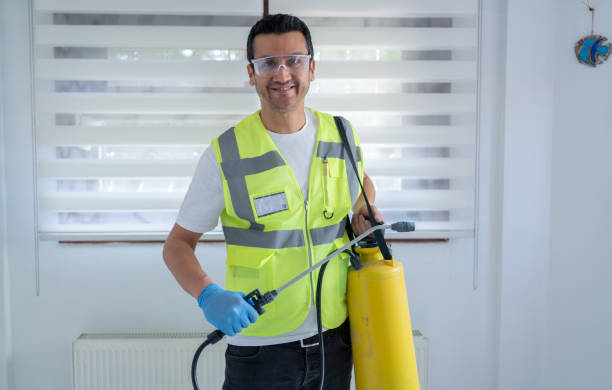
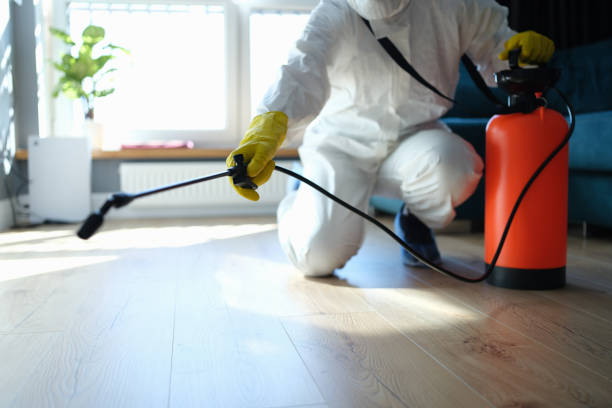
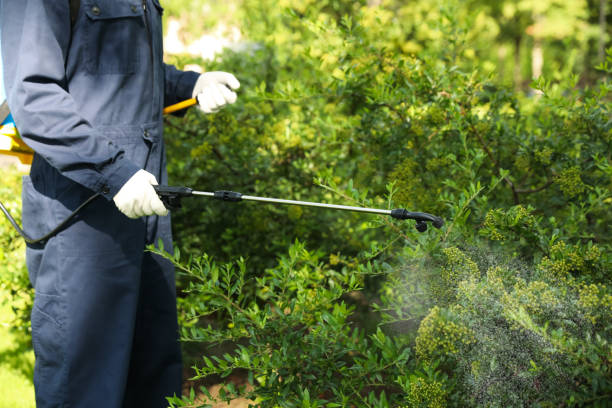
- Insecticide Sprayers: Handheld or backpack sprayers allow for targeted application of liquid pesticides to affected areas.
- Glue Boards/Traps: Useful for monitoring or trapping pests like mice, cockroaches, and even certain insects.
- Ultrasonic Devices: These emit high-frequency sounds aimed at repelling certain types of pests without chemicals.
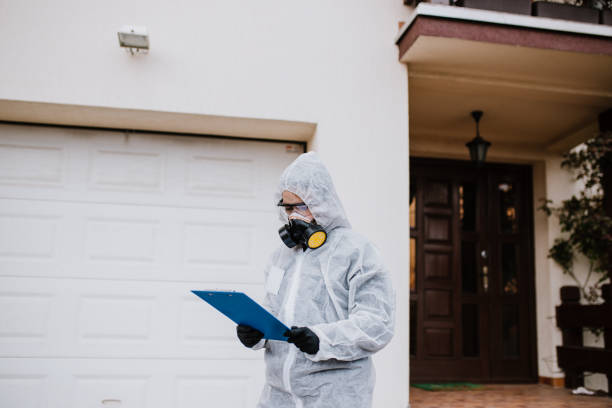
- Protective Gear: Items such as gloves, masks, goggles, and overalls protect users from potential exposure to harmful chemicals or allergens during treatment.
Key Techniques for Pest Control
Beyond tools, implementing effective pest-control techniques ensures you address not only existing infestations but also prevent future ones.
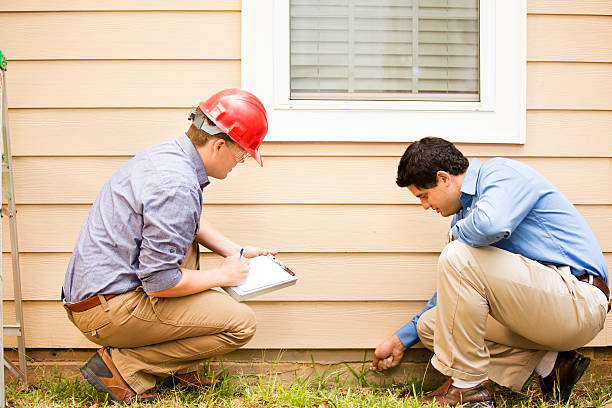
- Conduct thorough inspections across all areas where pests might thrive.
- Look out for signs such as droppings, chewed wires or wood, grease marks (from rodents), nests, or live/dead bugs.
- Identify the specific type of pest you’re dealing with since treatment varies significantly depending on the species.
- Use reference guides or consult professionals if needed.
- Seal cracks and crevices around your home where pests can enter.
- Install door sweeps and weather stripping to block access points.
- Maintain window screens and repair holes promptly.
- Keep your surroundings clean by storing food in sealed containers.
- Regularly take out trash and clean up crumbs or spills immediately to eliminate food sources that attract pests.
- Combine biological controls (such as introducing beneficial predators like ladybugs), mechanical methods (e.g., traps), cultural practices (reducing clutter), and chemical treatments only when necessary.
Table: Comparison of Common Pest-Control Methods
| Method | Pros | Cons |
| Chemical Treatments | Quick action; highly effective | Potential health risks if misused |
| Biological Controls | Eco-friendly; targets specific pests | May take longer for visible results |
| Mechanical Traps | Non-toxic; simple setup | Limited scope; frequent maintenance |
| Ultrasonic Devices | Safe; easy to install | Effectiveness varies by environment |
Tips for Success
To maximize the impact of these tools and techniques:
– Always follow product instructions carefully when using pesticides or traps.
– Prioritize preventive measures by addressing structural vulnerabilities in your home or workspace.
– Stay informed about regional pest trends so you can anticipate potential infestations before they occur.
Combining the right tools with strategic techniques will ensure not just short-term relief but long-term protection against unwanted pests.
Essential Tools and Techniques for a Successful Pest-Control Approach
Pest control is an essential aspect of maintaining a healthy home or workspace. To ensure success, it’s crucial to have the right tools and techniques at your disposal. With proper preparation and understanding, you can effectively manage and eliminate pest infestations while minimizing damage to your property. Below is an overview of must-have tools, proven techniques, and their applications.
Key Tools for Pest Control
- Insecticide Sprayers: These allow for precise application of liquid pesticides in areas where pests are active. Choose between handheld or backpack sprayers depending on the scope of your needs.
- Bait Stations: Enclosed bait stations are ideal for controlling ants, cockroaches, or rodents in targeted locations while keeping children and pets safe.
- Glue Boards/Traps: Sticky traps are effective for monitoring insect activity or capturing mice in enclosed spaces.
- Ultrasonic Repeller’s: These devices emit frequencies that drive pests such as rodents away without the use of chemicals.
- Protective Gear: Safety is key during pest control processes. Gear such as gloves, goggles, respirators, and coveralls should always be used when handling pesticides.
| Tool | Purpose | Ideal For |
| Insecticide Sprayers | Dispensing liquid treatments | Ants, roaches, termites |
| Bait Stations | Delivering poison bait safely | Rodents, ants |
| Glue Traps | Monitoring/capturing insects/mice | Spiders, crickets |
| Ultrasonic Repeller’s | Non-toxic pest deterrent | Mice, certain insects |
Effective Techniques for Pest Control
- Integrated Pest Management (IPM)
IPM focuses on combining various practices to reduce pest populations sustainably: - Monitor infestations regularly to identify patterns.
- Employ natural predators where possible (e.g., ladybugs for aphids).
- Use non-toxic methods first before resorting to chemicals.
- Exclusion Practices
Prevent pests from entering your home or building by sealing entry points: - Install door sweeps and weather stripping around windows.
- Use wire mesh to block vents or holes in walls.
- Regular Sanitation Efforts
Cleanliness plays a major role in deterring pests: - Store food securely in airtight containers.
- Eliminate crumbs or spills immediately.
- Dispose of garbage regularly with sealed bags.
- Targeted Application of Pesticides
Overuse of pesticides can lead to resistance among certain pests: - Apply treatments only where needed rather than indiscriminately spraying large areas.
- Rotate pesticide types periodically.
Combining Tools & Techniques
For optimal results in pest control efforts:
– Pair exclusion practices with bait stations to prevent new infestations while addressing existing ones.
– Use glue traps alongside ultrasonic repellents as part of a larger IPM strategy.
Investing in both physical tools and knowledge-based techniques will empower you to tackle even the most stubborn pests effectively while promoting safety and environmental responsibility.
Understanding the True Cost of Effective Pest Control Solutions
Pest control is not just about removing pests; it’s about effective, long-term solutions that balance cost and value. Understanding the true cost of pest control requires examining both monetary and non-monetary factors. Whether you are a homeowner or business owner, being informed can help ensure your investment in pest control yields the best results.
Monetary Costs Associated with Pest Control
- Initial Inspection Fees:
Many pest control companies charge an upfront fee to assess the extent of the infestation. This inspection helps determine the appropriate treatment plan. - Average range: $50–$200, depending on the company and region.
- Treatment Costs:
The type of treatment impacts costs significantly: - Chemical Treatments: Typically cheaper but may require multiple applications.
- Eco-Friendly Solutions: Higher initial costs but more sustainable and safer for households with children or pets.
| Treatment Type | Average Cost Per Visit | Number of Visits Required | |———————|————————-|—————————-| | Chemical Sprays | $100–$300 | 2–3 visits | | Heat Treatments | $1,000–$4,000 | Single visit | | Fumigation | $2,000–$8,000 | Single visit | - Ongoing Maintenance Plans:
Regular maintenance plans can save money over time by preventing recurring infestations. - Monthly plans: $30–$80 per visit
- Quarterly plans: $100–$300 per visit
- DIY vs Professional Services:
DIY methods often appear cheaper upfront but may lack efficiency: - DIY products like traps or sprays cost approximately $10–$50 each.
- Ineffective DIY attempts can lead to prolonged infestations and higher long-term expenses.
Non-Monetary Costs to Consider
- Health Risks:
Pests such as rodents and cockroaches carry diseases that can affect human health: - Salmonella (from rodents)
- Asthma triggers (from cockroach droppings)
- Property Damage:
Termites can destroy structural wood, while rodents chew through electrical wires: - Repairs often exceed thousands of dollars if left untreated.
- Environmental Impact:
Traditional pesticides may harm local ecosystems if improperly applied: - Consider eco-friendly alternatives such as natural repellents or biological controls.
- Downtime for Businesses:
For commercial properties like restaurants or hotels, an infestation may require temporary closures—leading to lost revenue and reputational damage.
Factors That Influence Cost
- Severity of Infestation: Larger infestations are more expensive due to increased labor and resources required.
- Type of Pest: Specialized treatments for termites, bed bugs, or wasps typically cost more than general insect prevention.
- Location & Accessibility: Urban areas often have higher service costs due to demand; hard-to-reach spaces like attics or basements also increase prices.
- Company Reputation & Expertise: Established companies with proven success rates might charge premium prices.
Tips for Managing Pest Control Costs
- Compare multiple quotes from licensed pest control providers.
- Invest in preventative measures such as sealing cracks, removing standing water sources, and maintaining cleanliness.
- Ask companies about warranty options or guarantees for their treatments.
- Utilize bundled maintenance packages for long-term savings.
By carefully weighing both tangible expenses and indirect consequences, homeowners and businesses alike can make informed choices regarding pest control solutions tailored specifically to their needs.
Real Talk About Bugs: The Impact of Pests on Homes and Businesses
Pests are more than just an annoyance—they can have significant consequences for both homes and businesses. Understanding how these creatures affect our living and working environments is critical to developing effective strategies to address pest-related issues. This section explores the various impacts pests can have, ranging from health risks to financial burdens, while highlighting why proactive pest control is essential.
Health Risks Caused by Pests
- Rodents can carry hantavirus, leptospirosis, and salmonella.
- Mosquitoes are vectors for malaria, dengue fever, and the West Nile virus.
- Cockroaches spread allergens and bacteria like E. coli and Salmonella spp., which can trigger asthma or exacerbate respiratory conditions.
- Contaminated Food Supplies
Pest infestations in kitchens or storage areas can lead to food contamination. For instance: - Rodents may urinate or shed droppings in food storage areas.
- Pantry pests like weevils or moths may infest grains and packaged goods.
- Allergic Reactions
Bed bugs and stinging insects such as wasps or bees can cause allergic reactions ranging from mild irritation to severe anaphylactic responses.
Financial Costs of Pest Infestations
| Area of Impact | Costs Incurred |
| Property Damage | Termites cause over $5 billion in damage annually in the U.S., damaging wood structures. |
| Food Loss | Businesses in industries like restaurants face discarded inventory due to contamination. |
| Pest Control Services | Ongoing treatment programs for severe infestations may require a substantial investment. |
For businesses particularly, reputational damage caused by visible pests can lead to lost customers, negative reviews, or even fines from health authorities.
Structural Damage Caused by Pests
- Termites: Known as “silent destroyers,” termites feed on wood and other materials containing cellulose. They compromise structural stability over time by hollowing out walls, beams, and furniture.
- Rodents: Rats and mice chew through wiring, plumbing pipes, insulation materials, and even drywall.
- Carpenter Ants: Unlike termites that consume wood for food purposes only; carpenter ants excavate wood surfaces to create their nests instead leading progressive weakening
Proactive monitoring reduces this risk substantially
Building a Knowledge Center for Comprehensive Pest Control Insights
Creating a knowledge center for pest control equips homeowners and businesses with essential information and tools to manage and prevent infestations effectively. This centralized repository of insights can empower individuals to proactively address pest-related challenges while minimizing risks to health, property, and the environment.
Key Components of a Comprehensive Pest Control Knowledge Center
- Understanding Common Pests
A detailed overview of common pests helps identify potential threats quickly. Include profiles on: - Insects: Ants, termites, cockroaches, mosquitoes, bed bugs.
- Rodents: Rats, mice.
- Wildlife: Squirrels, raccoons, birds in certain regions.
Each profile should cover:
– Appearance (size, color).
– Habitat preferences.
– Behavior patterns.
- Pest Prevention Guidelines
Proactively managing pest risks can save significant time and money. Critical prevention measures include: - Sealing entry points such as cracks in walls or doors.
- Storing food securely in airtight containers.
- Regularly cleaning spaces prone to crumbs or spills (kitchens, basements).
- Treatment Options
Provide a comprehensive breakdown of treatment methods:
| Treatment Category | Examples | Pros | Cons |
| Chemical Treatments | Pesticides | Effective for larger infestations | Potential health/environmental risks |
| Biological Controls | Beneficial nematodes/fungi | Eco-friendly solution | Requires precise application |
| Mechanical Methods | Traps | Immediate results | May not work for large-scale infestations |
| Integrated Pest Management (IPM) | Combining prevention and treatment strategies | Holistic approach with long-term results | Requires expertise and ongoing commitment |
- DIY vs Professional Services
Explain when individuals can handle pest control themselves versus situations requiring professional intervention: - DIY is suitable for small-scale issues like ant trails or single rodent sightings using over-the-counter traps or sprays.
- Professional services are necessary when dealing with structural damage (e.g., termite infestation) or widespread outbreaks.
Advanced Topics for In-Depth Understanding
- Pest Resistance Trends
Certain pests have adapted to traditional treatments like insecticides over time (e.g., bed bugs developing chemical resistance). Understanding these trends helps refine treatment approaches. - Environmental and Health Impacts of Pest Control
Educate users about balancing effective pest eradication with minimizing harm to humans and ecosystems by emphasizing eco-conscious techniques like organic pesticides or physical barriers.
A well-organized knowledge center serves as an invaluable resource offering actionable advice while fostering informed decision-making for all stakeholders involved in pest management efforts.
- Effective Solutions with a Trusted Davie FL Exterminator
- How Davie FL Pest Control Can Protect Your Home and Health
- Understanding the Cost and Benefits of Davie FL Pest Control Services for Your Home
- Same-Day Solutions with a Trusted Davie FL Exterminator to Eliminate Pests
- Debunking Common Myths About Davie FL Pest Removal
- Winning the Fight Against Pests with a Trusted Davie FL Exterminator